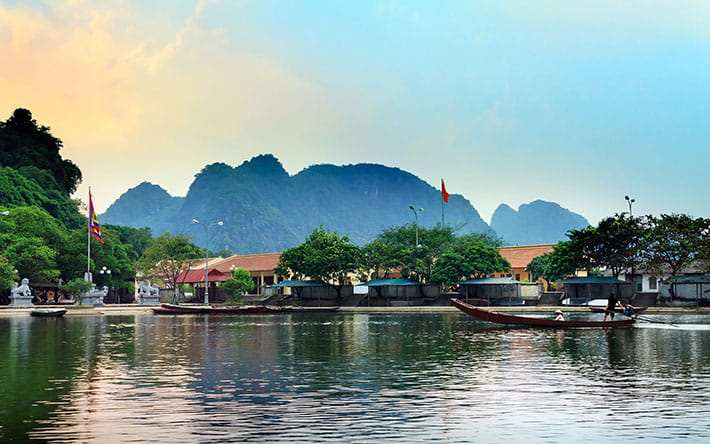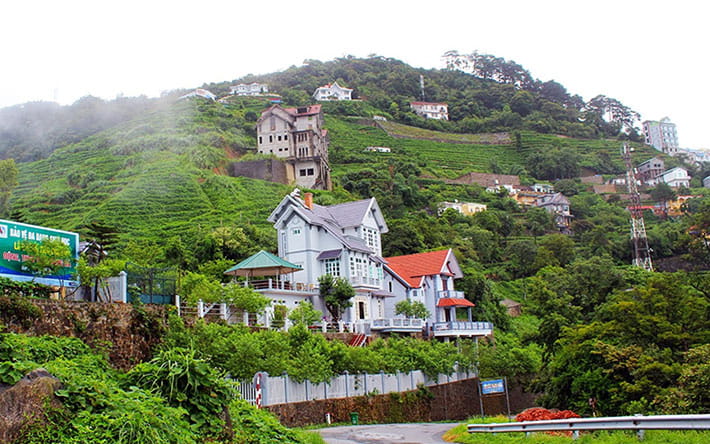
Sapa doesn’t feel like a “destination.” It feels like a scene—a town wrapped in clouds, terraced fields stitched into the mountains, and footpaths that lead you gently from modern life back into something older and quieter.
Up here, mornings arrive with fog and rooster calls. Afternoons open into green valleys. And when the light drops, the town glows—warm food, wood-smoke, and the soft hum of people gathering in the square.
If you want Northern Vietnam at its most poetic (and most photogenic), Sapa is it.
Why Sapa is special
- The Roof of Indochina is right here: Mount Fansipan at 3,143m, reachable by a dramatic cable car ride.
- Terraced rice fields in Muong Hoa Valley are among Vietnam’s most iconic mountain landscapes.
- Sapa is a rare mix of nature + culture: ethnic minority villages, markets, handcrafts, and highland traditions—best experienced slowly, on foot.
The unmissable highlights in Sapa
1) Fansipan: “Roof of Indochina” (easy, epic, unforgettable)
Even if you’re not a hiker, Fansipan is still doable: Vietnam’s tourism board notes a ~6 km cable car journey that takes you to 3,143m in about 15 minutes, followed by a walk through the summit area.
Best time: early morning for clearer skies and that “above the clouds” feeling.
2) Muong Hoa Valley: the rice-terrace dream
This is the landscape people think of when they picture Sapa—terraces rolling like green waves, villages tucked into slopes, and trails that keep revealing new angles. It’s also where popular trekking routes pass through villages like Lao Chai and Ta Van.
3) Village visits (choose the right vibe)
- Cat Cat Village: easy access from town; a good “soft start” for first-timers. Official travel guides note it’s open daily, but hours can vary by operator/season—commonly early morning to evening.
- Lao Chai – Ta Van trek: more authentic trekking flow through valley scenery and local life.
Operator tip: For guests who want “real,” prioritize a short trek + local guide + simple homestay lunch over too many staged stops.
4) Sapa Stone Church & Town Square: the classic meeting point
The Stone Church is one of Sapa’s most recognizable landmarks—Vietnam’s tourism authority describes it as built in 1895, right in the town center.
It’s also where Sapa’s evening atmosphere comes alive.
5) Saturday night Love Market (culture + music + evening energy)
Many sources describe the Sapa Love Market as a weekly Saturday-night gathering at/near the central square in front of the Stone Church—today often presented as a cultural performance space for visitors.
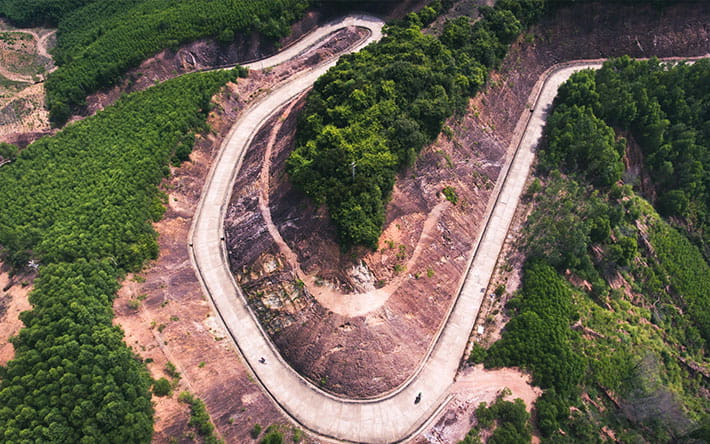
6) Waterfalls & mountain roads (great add-ons)
- Silver Waterfall (Thác Bạc): Vietnam Airlines’ guide places it near Ô Quy Hồ Pass, about 12 km from Sapa center and around 1,800m altitude—an easy scenic stop.
“Hot right now” Sapa experiences (great for photos + Reels)
- Cloud-chasing viewpoints (early mornings after rain): Sapa’s “town in the mist” visuals are a huge draw in short-form travel content.
- Terrace-season storytelling: show 3 layers in video—wide valley → hands/work/craft close-up → human reaction (this format performs consistently well on Reels/TikTok).
- Market day culture: add Bắc Hà Sunday Market as a day trip if guests want something deeply local; it’s held every Sunday morning.
Best time to visit Sapa (simple, reliable planning)
Most travel references recommend:
- March–May: mild, comfortable for trekking
- September–November: clearer skies and harvest-season scenery
Suggested itineraries that work (2–4 days)
2D1N (classic first-timer)
Day 1: Arrive → Sapa town walk (church/square) → Cat Cat (easy) → evening market/night food
Day 2: Fansipan morning → depart
3D2N (best balance: culture + terraces)
Day 1: Arrive → town + church + gentle viewpoints
Day 2: Lao Chai – Ta Van trek (Muong Hoa) + homestay-style lunch
Day 3: Fansipan morning + Silver Waterfall/Ô Quy Hồ photo stop → depart
4D3N (the “slow travel” version)
Add a Bắc Hà Sunday Market day (if timing matches) for deeper cultural texture.