People call it Ho Chi Minh City, but the city’s soul still answers to Saigon—fast, warm, a little chaotic, and strangely poetic. Here, the past sits right next to the future: French-era façades and modern towers; incense smoke drifting a street away from neon; a quiet book street tucked beside a river of motorbikes.
Saigon isn’t about ticking boxes. It’s about texture—the kind of place where a five-minute walk becomes a mini documentary.
Saigon Highlights at a Glance
- Ben Thanh Market – the city’s classic trading symbol (rebuilt and inaugurated in 1914 at its current site).
- Independence (Reunification) Palace – key landmark, open daily (ticket sales typically until mid-afternoon).
- War Remnants Museum – powerful, must-visit museum; open 7:30–17:30 daily.
- Nguyen Hue Walking Street – 900m pedestrian boulevard, opened as a pedestrian zone in April 2015.
- Chinatown (Chợ Lớn) – Thien Hau Temple + Binh Tay Market for culture and everyday life.
- Notre-Dame Cathedral area – iconic but still under restoration (timeline widely reported through 2027, with restoration milestones continuing into 2026).
The “Classic Core” of District 1
This is Saigon’s postcard zone—walkable, cinematic, and perfect for a first day.
1) The Cathedral & Central Post Office block (French-colonial beauty)
The Saigon Central Post Office is one of the city’s most photographed buildings, built in the late 19th century. It’s often mistakenly credited to Gustave Eiffel, but multiple references note the design attribution is commonly mis-stated.
Right nearby, the Notre-Dame Cathedral remains a visual icon—just note it’s under long-term restoration (reports have described completion expectations extending to 2027).
Local tip: even when the cathedral is closed, this area is still worth it for architecture + street photos + a calm morning vibe.
2) Nguyen Hue Walking Street (the city’s open-air stage)
Nguyen Hue is where Saigon “shows its face”: fountains, crowds, street energy, and that wide-open perspective toward the river. Vietnam Airlines describes it as 900 meters long from the Saigon River to the People’s Committee Building, inaugurated as pedestrian-only in April 2015.
3) The Café Apartment at 42 Nguyen Hue (viral, quirky, very Saigon)
A weathered old apartment block turned into stacked cafés and little shops—this spot keeps appearing on social feeds for a reason. Saigoneer has documented the building’s story as one of Saigon’s most famous “café-apartment” spaces.
Creator tip: film it like a “mini-journey” — street-wide shot → stairwell/door sign close-ups → balcony view reaction.
4) Ben Thanh Market (heritage + everyday commerce)
Vietnam Airlines notes the market’s earlier form by the river, its relocation decision in 1912, and inauguration at the current site in 1914.
It’s busy, touristy in parts, but still a strong “Saigon heartbeat” stop.
Saigon’s Deeper Stories: Museums & Landmarks
War Remnants Museum (essential, moving)
This is one of the most impactful visits in the city. The museum’s official site lists opening hours 7:30–17:30 (Mon–Sun).
Tip: go earlier in the day for a calmer experience.
Independence (Reunification) Palace
A major historical landmark, and an easy add-on to pair with museums. Vietnam Airlines lists visiting hours and notes ticket sales typically end earlier than closing time.
Chinatown (Chợ Lớn): Saigon’s most “local-life” chapter
If you want the city to feel less curated and more real, go west.
Thien Hau Temple (District 5)
Vietnam Airlines notes it was built around 1760 by the Chinese-Cantonese community in Chợ Lớn and remains a cultural hub.
Binh Tay Market (District 6)
A key market in Chợ Lớn, strongly tied to the area’s Chinese-Vietnamese trading history. (References commonly place its early 20th-century construction and later renovations.)
Local tip: Chinatown is best late morning to early afternoon—then finish with a slow coffee break.
Spiritual Saigon: Temples with Atmosphere
Jade Emperor Pagoda
A famously atmospheric temple complex; references commonly note early 20th-century origins (often cited around 1909).
What to Do in Saigon Beyond “Sightseeing”
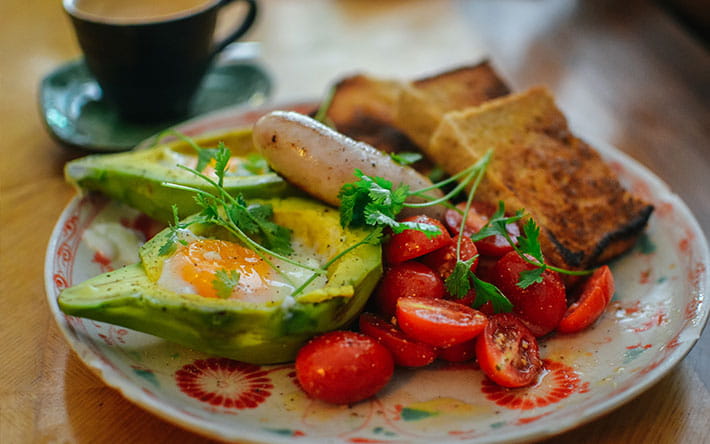
- Coffee culture: sit longer than you planned—this is how Saigon reveals itself.
- Rooftop views: city lights + river bends = instant “big city” mood.
- Street-life walking: the most Saigon thing you can do is simply roam—then stop when something smells good.
Best Day Trips from Saigon
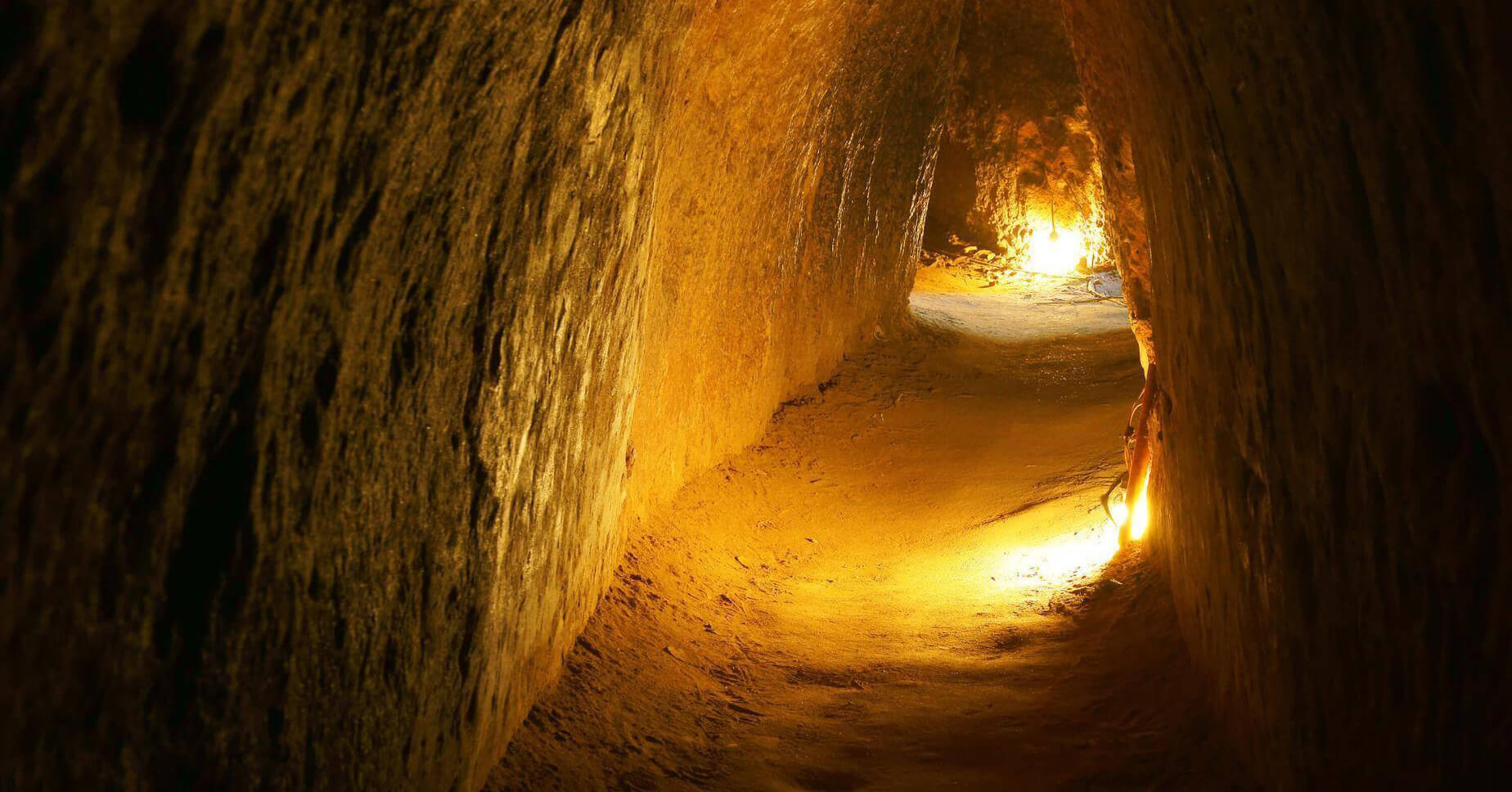
Cu Chi Tunnels (half-day or full-day)
Cu Chi is one of the most popular excursions; many guides place it roughly 60 km from the city (travel time depends heavily on traffic).
Other easy extensions people often combine:
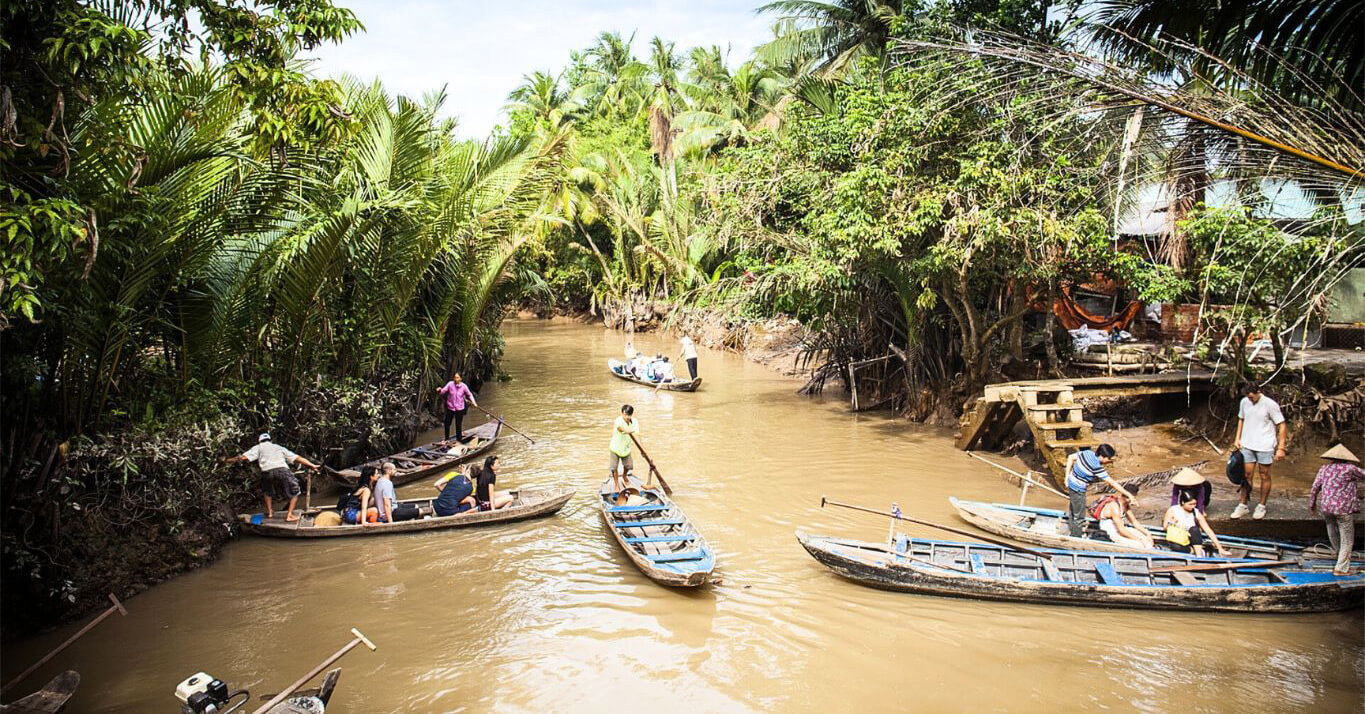
- Mekong Delta (day trip)
- Vung Tau coast (day trip or overnight)
Easy Saigon Itineraries
1 Day (First-timer, well-paced)
- Morning: Post Office area + Nguyen Hue
- Midday: Independence Palace
- Afternoon: War Remnants Museum
- Evening: Nguyen Hue + café-apartment / rooftop mood
2 Days (Best balance)
- Day 1: District 1 classics + history
- Day 2: Chinatown (Thien Hau + Binh Tay) + Jade Emperor Pagoda + slow coffee
3 Days (Saigon + an iconic excursion)
- Day 1–2: City highlights (as above)
- Day 3: Cu Chi (half-day) + relaxed evening back in town