Welcome To Hanoi
Hanoi doesn’t try to impress you in one grand reveal. It wins slowly—by a morning mist drifting over a lake, by the hush inside an old temple courtyard, by the sudden music of street life: vendors calling, cups clinking, scooters flowing like a river. It’s Vietnam’s capital, yes—but more than that, it’s a living scrapbook of dynasties, colonial-era boulevards, wartime memory, and modern creative energy, all stitched together by everyday local rhythm.
Below is a complete, practical guide to Hanoi’s must-see highlights, plus local tips and easy add-ons so you can build the kind of trip people remember—and talk about long after they fly home.
The essential Hanoi highlights
1) Old Quarter & Hoan Kiem Lake: the heartbeat
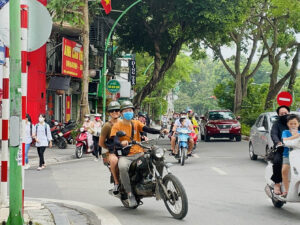
- Hanoi Old Quarter: a dense maze of shopfronts, tiny alleys, street-side stools, and everyday scenes that feel made for camera POV videos and quick Reels cuts (hands, steam, footsteps, faces).
- Hoan Kiem Lake & Ngoc Son Temple: come at sunrise for calm, or early evening for the city’s “after-work exhale.”
- Dong Xuan Market: the classic “where locals shop” energy—go for the atmosphere, textures, and people-watching.
- Hanoi Train Street (viewing spots): iconic—but access rules can change and some areas are restricted; follow local guidance and prioritize safety over the shot.
Local tip: If you’re filming content, do a “3-layer” sequence: wide street → close-up hands/food/objects → people reaction. Hanoi is perfect for this style.
2) Ba Dinh & the historic core: power, legacy, and quiet courtyards
- Ho Chi Minh Complex area: wide boulevards, monuments, and a very different mood from the Old Quarter.
- Temple of Literature: Hanoi’s timeless symbol of learning—built for Confucius and later known as Vietnam’s first university story.
- Imperial Citadel of Thang Long (UNESCO World Heritage): a rare “deep time” site—layers of history beneath your feet, recognized for its long continuity as a seat of power.
3) French Quarter: elegance, cafés, and golden-hour streets
- Stroll the tree-lined boulevards, pause at classic façades, and look for the “old Hanoi” details: balconies, shutters, and courtyards.
- Ideal for late-afternoon walks when the light turns soft and the city feels cinematic.
4) West Lake (Tay Ho): slower Hanoi, breezy and local
- West Lake loop: a calmer escape for walking, cycling, and café-hopping.
- Pagodas & lakeside temples: perfect for a quiet reset between busy neighborhoods.
5) Museums & memory: Vietnam’s stories, told with depth
- Vietnam National Fine Arts Museum: a strong overview of Vietnamese art history with a large collection (around 2,000 artworks/objects).
- Vietnam Museum of Ethnology: one of the best places to understand Vietnam’s cultures—practical visitor info and opening hours are published on their site.
- Hoa Lo Prison Relic: a powerful visit; the site also shares official ticket details (listed at 50,000đ/person).
6) Performing arts: Hanoi’s “old soul” in one hour
- Thang Long Water Puppet Theatre: a signature Hanoi experience, performed year-round with multiple shows daily.
- Ca trù singing: a Northern art form recognized by UNESCO as intangible cultural heritage—worth seeking out for a truly traditional evening.
Food and café culture (how to do it like locals)
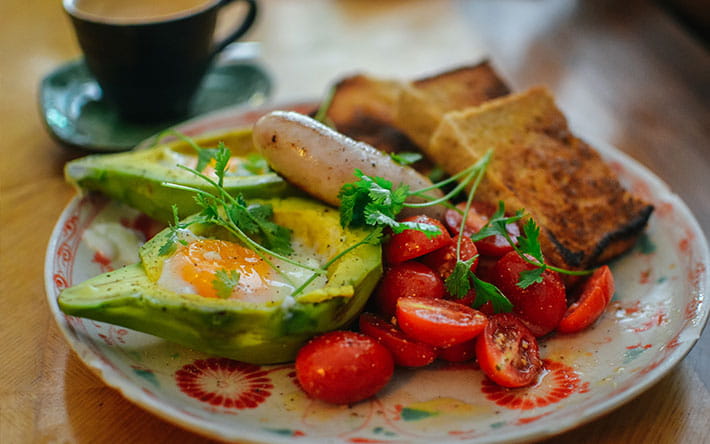
Taste Hanoi through a curated selection of authentic local dishes—each chosen for flavor, tradition, and the story behind it. From bustling street-side bites to family-run eateries, you’ll experience the city the way locals do: simple, bold, and unforgettable.
Practical tip: Don’t plan “one big meal.” In Hanoi, the best style is small portions across multiple stops—it keeps your energy high and your curiosity sharper.
Easy day trips from Hanoi (choose by mood)
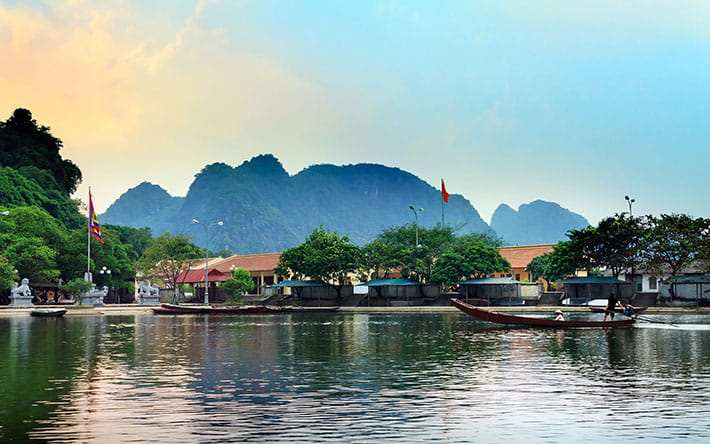
- Ninh Binh: nature + limestone landscapes + gentle countryside pacing.
- Ha Long Bay: iconic seascapes and cruises (full-day or overnight, depending on your time).
- Bat Trang pottery village: hands-on craft, studios, kilns—great for families and creators who love texture and process shots.
- Duong Lam ancient village: slower, heritage lanes and rural architecture.
- Perfume Pagoda (seasonal): a cultural pilgrimage vibe paired with scenery.
How many days in Hanoi?
- 1 day: Old Quarter + Hoan Kiem + a heritage site + evening show
- 2 days: Add West Lake + museums + a deeper street-food/café circuit
- 3–4 days: Add a day trip (Ninh Binh or Ha Long) + a craft village (Bat Trang)
Quick local tips that save you time (and headaches)
- Crossing streets: go steady, don’t sprint—traffic flows around predictable movement.
- Transport: Grab is convenient; walking is best in the Old Quarter/French Quarter pockets.
- Dress code: bring something respectful for temples/pagodas.
- Train Street: treat it like a regulated area—go with local guidance and never stand on tracks.
Best photo times: sunrise by the lake; late afternoon in the French Quarter; blue hour around lively streets.